
We are experiencing one of the most profound technological revolutions that humanity has ever gone through. With the rapid adoption of relatively new technologies such as artificial intelligence and electric vehicles comes a huge demand for electricity – demand that is increasing at an unprecedented rate.
To highlight this point, consider the fact that more and more people are turning to AI-based search engines like ChatGPT as opposed to traditional search engines like Google. It is estimated that a ChatGPT search can use up to ten times more energy than a Google search, due to the immense amount of processing power needed by the GPUs that AI search engines rely on. This means we need more data centers which require immense amounts of power that our grid struggles to provide. In fact, one of the largest problems facing data center developers today is a lack of power availability.
So, how do we ensure that we can provide electricity to the data centers and semiconductor fabs that are coming online so quickly? How do we provide power to more and more homes that are now tasked with charging electric vehicles in addition to the dishwashers, air conditioners, and other devices that draw electricity each day? It is a monumental task to upgrade our grid infrastructure so that it can meet this demand on its own. Everything from power generation to transmission & distribution needs a massive investment of time and resources – but we do not have the time nor the resources needed to meet the growing electricity demand through grid upgrades alone.
This is where battery energy storage comes in. Energy storage helps us make sure that energy is where it is needed when it is needed. Instead of relying solely on Peaker plants that can produce intermittent power at great cost (both environmental and financial), energy can simply be stored in batteries during low demand periods and used during high demand periods. They can do so nearly instantaneously, something that is not true of Peaker plants. They are an elegant solution to a complex problem.
Batteries also help facilitate the mass adoption of cheap renewable energy sources like wind and solar. These are intermittent energy sources – they only produce energy when the sun is out or the wind is blowing and they do not factor in the real-time demand for electricity. This is a real problem since the grid can be easily overloaded if supply energy exceeds the energy being used in any given moment. Without batteries, any excess energy produced by renewable energy sources is essentially lost, or curtailed. We are wasting massive amounts of energy when wind and solar are producing more energy than is needed in that moment. As it stands today, there are between 90-180 Terawatt·hours of energy being curtailed each year throughout the globe. All this in a time when the demand for energy has never been greater. Batteries allow us to make use of this wasted energy and bring even more renewable energy sources online.
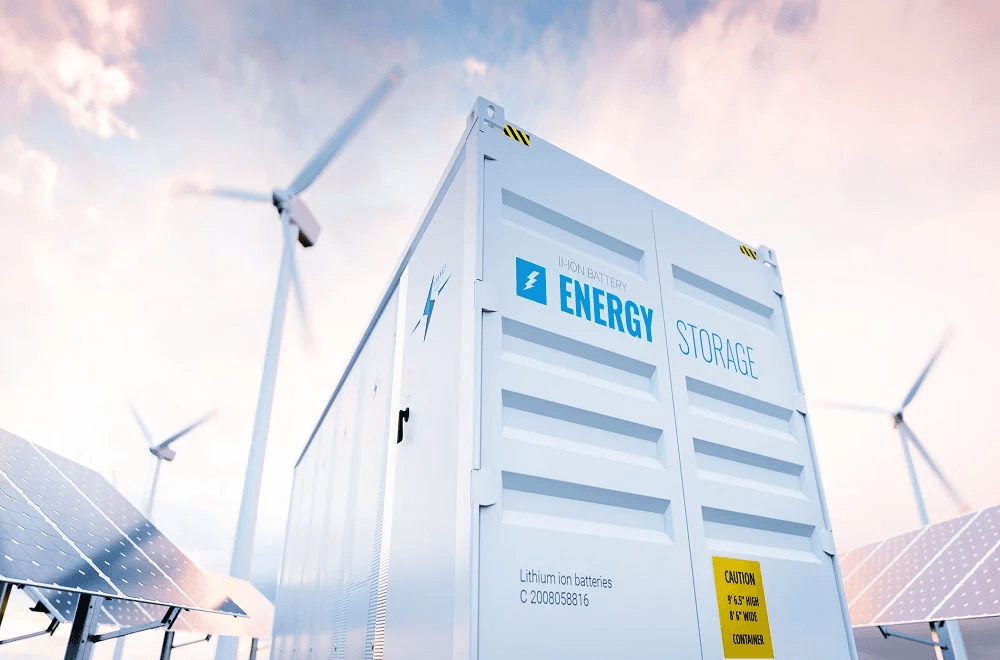
Battery energy storage is a significant enabler of renewable energy adoption – something that is critical not only to our decarbonization goals, but also our mission to make energy as cheaply as possible.
Battery energy storage typically falls into one of two categories – centralized storage or distributed storage. Centralized storage, commonly referred to as utility-scale storage, is comprised of a massive amount of batteries (often greater than 1 GWh) located close to an energy source. This makes it possible for large solar and wind farms to provide energy at all times, not just when there is sun or wind. Utility-scale storage is far and away the largest segment of the stationary battery storage market. However, the sheer size of these systems often limits their adoption rate. The capital investment required to deploy utility-scale battery systems is quite significant. They also require large tracts of land, something that is not available in urban areas that have huge power demands. This is where distributed energy storage takes center stage.
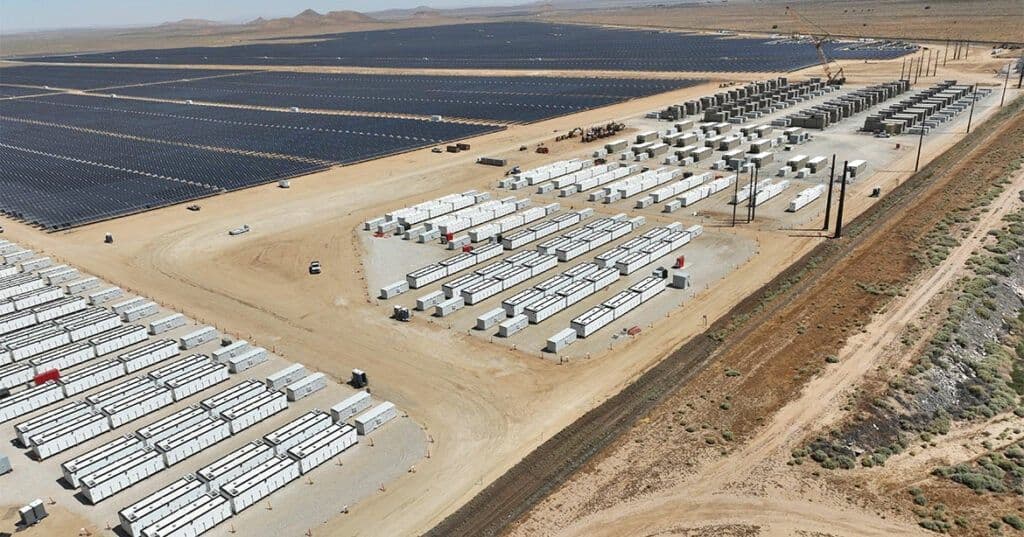
Utility-scale energy storage is often comprised of many containers of batteries. Given the scale of storage, this requires large amounts of land, making utility-scale energy storage prohibitive in high population areas.
Unlike centralized energy storage, distributed energy storage is located at the site of energy use. These systems are much smaller (less than ~10-20 MWh) and are often catered to the energy requirements of the end user. Distributed energy storage is typically categorized into two segments - Commercial & Industrial (greater than ~20 kWh) and Residential (less than ~20 kWh).
Residential energy storage systems are connected directly to homes, providing peak shifting, TOU savings, and backup power. They can be controlled by their own energy management system, or controlled by a utility or VPP that has access to a network of residential ESS, giving them much more flexibility when it comes to efficient distribution of energy to a community.
Commercial & Industrial ESS, or C&I for short, is typically paired with larger commercial sites and industrial facilities (i.e. hotels and manufacturing plants). They provide these users with incredible benefits that often yield significant savings on their energy bills, which can be quite costly. The means by which C&I ESS can provide these benefits are as follows:
Load Shaving / Peak Shaving
Reduce peak demand on the grid by supplying power during times of high consumption. This alleviates stress on the grid, potentially reduces the need for additional infrastructure investments, helps utilities avoid or defer costly upgrades, and lowers the overall cost of electricity for consumers by reducing demand charges and leveraging time-of-use rates.
Demand Response Program Participation
Partake in utility-led demand response programs wherein incentives or credits are given to C&I entities for reducing their energy draw during peak demand.
Backup Power
Provide backup power during grid outages or other disruptions.
Grid Services Participation
Provide services to the grid (i.e. frequency regulation, voltage support, or spinning reserve) during frequency fluctuations or grid imbalances to generate additional revenue streams.
Increased Renewable Energy Self-Consumption
Reduce carbon footprint by incorporating renewable energy into a C&I entity’s portfolio of power sources. This can help achieve decarbonization and sustainability goals.
Reduced Transmission & Distribution Charges
Localized energy storage sources reduce the need to draw power from the grid, which is often subject to high T&D charges, particularly during peak periods.
Power Quality Improvement
Energy storage can be used to smooth out voltage fluctuations or provide power during short periods of instability.
It’s not just the end users that see significant benefits from C&I energy storage. Ultimately, increased C&I energy storage serves to reduce the stress on the grid, which benefits utilities directly and allows them to continue providing uninterrupted service in this time of unprecedented energy demand. It is critical that we continue to focus on energy storage as a solution to the energy crisis we are facing. It has the flexibility, durability, and affordability that makes it a perfect solution.
For more information on C&I energy storage, get in contact with Alchemy Industrial today. Our team of engineers is working hard to stay at the forefront of this movement and to provide you with the answers you need for your energy problems. With standard products and custom offerings, we react swiftly to our customers and ensure they can benefit from our solutions as quickly as possible.